How to Type Arabic Without an Arabic Keyboard (IME and Phonetic Methods)
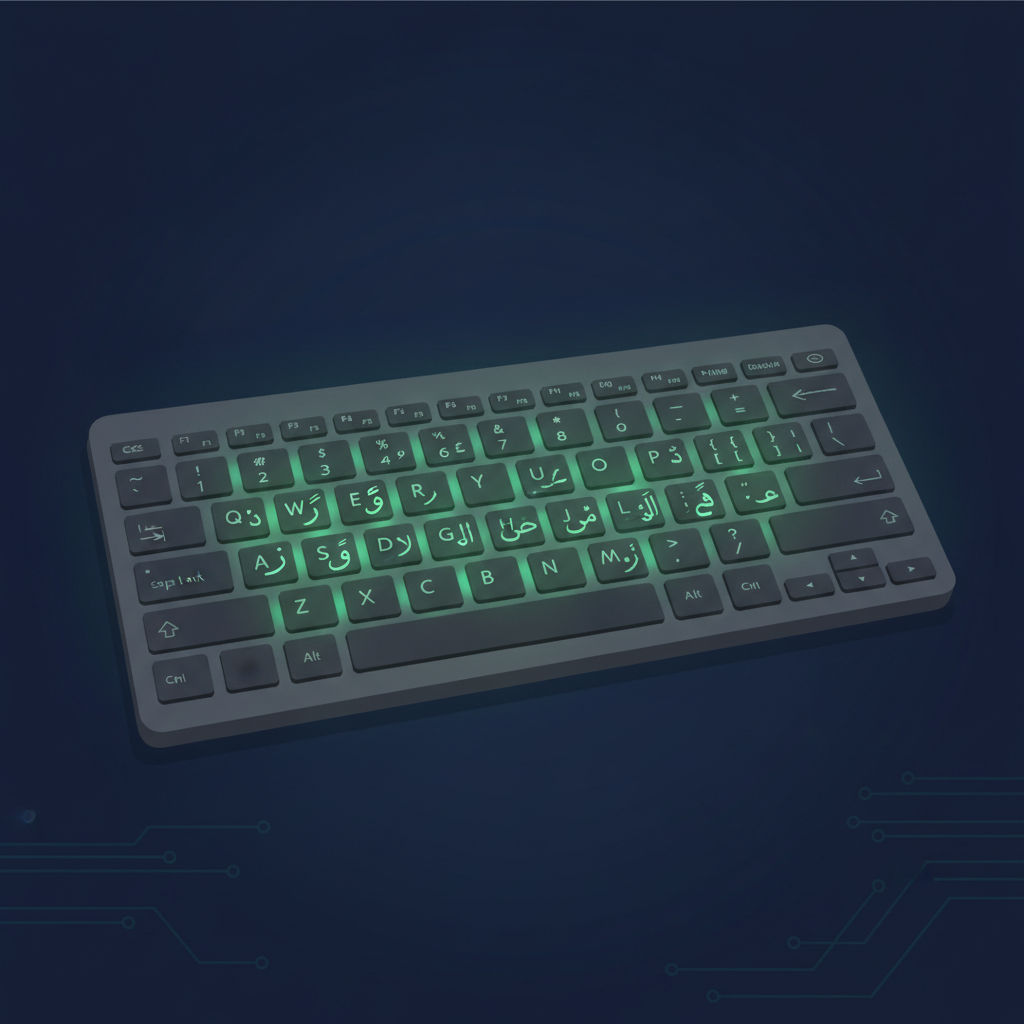
You don't need a physical Arabic keyboard to type Arabic. Here are four real methods — from software layouts to phonetic input — and when to use each.
The LearnType blog covers everything you need to type faster in Bangla and English — from Avro phonetic tips and Bijoy layout guides to touch-typing drills, speed-boosting techniques, and real progress stories. Whether you're a beginner learning the home row or an advanced typist targeting 80 WPM, you'll find practical, step-by-step tutorials written by people who teach typing every day. New articles are published regularly, so check back or browse by category using the sidebar.
195 posts

You don't need a physical Arabic keyboard to type Arabic. Here are four real methods — from software layouts to phonetic input — and when to use each.

A full breakdown of Arabizi's number conventions — 2, 3, 5, 6, 7, 9 — what Arabic sounds they represent, and where the system came from.

Step-by-step setup for switching between Arabic and English keyboards on Windows, macOS, Linux and mobile, plus tips for fast bilingual typing.

Arabic 101 and Arabic 102 share identical letter positions but differ in punctuation and keyboard style. Here's how to pick the right one to learn.

A full guide to typing fatha, damma, kasra, tanween, shadda and sukun on the Arabic 101 keyboard's Shift layer, and when you actually need them.

Hamza has four forms — ء أ إ آ — and causes more Arabic typos than any other character. Here's where each lives on Arabic 101 and how to practice it right.

A complete map of Arabic touch typing: Arabic 101 vs Arabic Phonetic, the learning sequence, RTL typing, and where to start practicing free.

Bijoy Bayanno setup guide — what Bijoy 52 is, Windows requirements, download & install steps, license activation, and how to start typing Bangla with the Bijoy layout.